

Ginseng and Microplastics
A visit to TS Emporium with a plastic spoon in my brain

“A spoons WORTH not a spoonFUL” I yell to Asha from across a chattery living room.
She’s sitting on the couch and I’m sitting on the other, smaller, more uncomfortable midcentury couch across from her. We’re passing around a Tamagotchi shaped vape of the Miami Mint flavor. She hits the vape.
“A spoons WORTH of plastic is in all of our brains right now.” I repeat
“You must mean a spoonful!” she exclaims, I hit the plastic puck.
“Nooooo, a spoons WORTH.” I pull up the study “Like if a plastic spoon exploded and all the little particles wound up in your brain.”
She takes a moment, then says what we’re all thinking, the only real way to digest something of this magnitude. She says, in earnest:
“Oh no!”
Is there any way other than resignation (or at least a generalized apathy) to deal with a topic as existential as there being a plastic spoons worth of plastic in your brain right now? In a city as health obsessed as Los Angeles I’ve found myself able to make a few expensive but effective(?) decisions that I assume determine if my spoon is of the table or tea variety, but I can’t shake the feeling that either way, I’m doomed. We’re all doomed. In my exasperation, a baseball sized Miami Mint flavored nicotine canister quells the anxiety, if only for a second. When the vapor clears and my spirit crash lands back on planet earth I’m left with two questions: Why is it that in America, wellness feels so insurmountable, existential and deeply unpleasurable? And what makes mint “Miami” anyway?
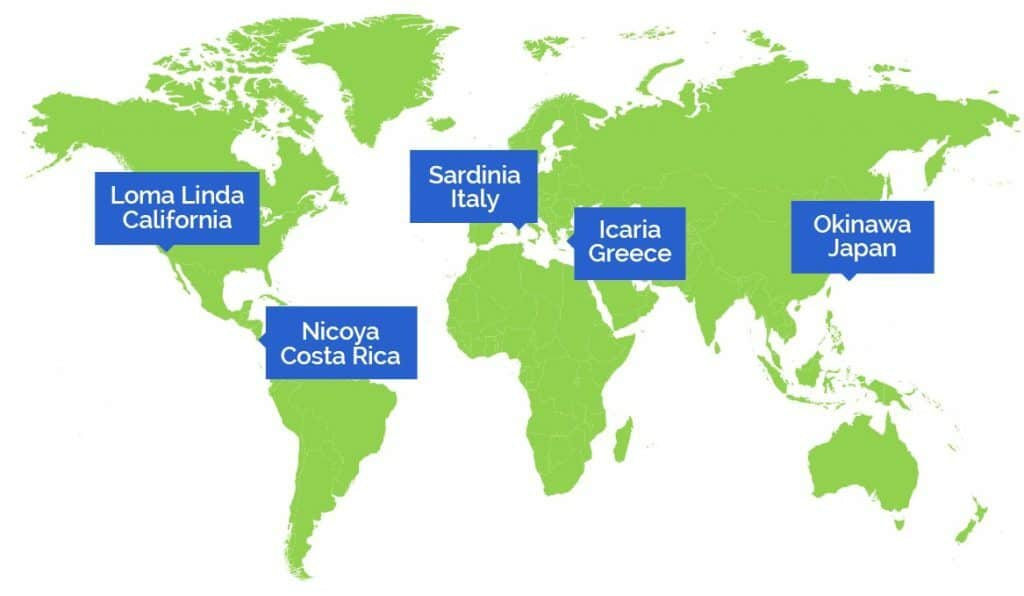
Maybe it’s the way we think about living a healthy lifestyle; quick fixes, miracle ingredients, answers to unanswerable questions, a true rejection of the holistic. I mean for Christ’s sake our Blue Zone is in Loma Linda, California, a tiny, landlocked, hyper developed part of the Inland Empire that pretty much only received the designation because most residents follow a strict religion informed dietary regimen. It’s like we parodied the idea of a Blue Zone. It’s like we tried to get there fast and missed the point. Perhaps it’s baked into the policy that shapes our lives, or perhaps it’s a function of living within the ever tightening grasp of late stage capitalism but it seems to me that in America we’re more obsessed with how we die than how we live. This is what I was thinking about on my first visit to TS Emporium.
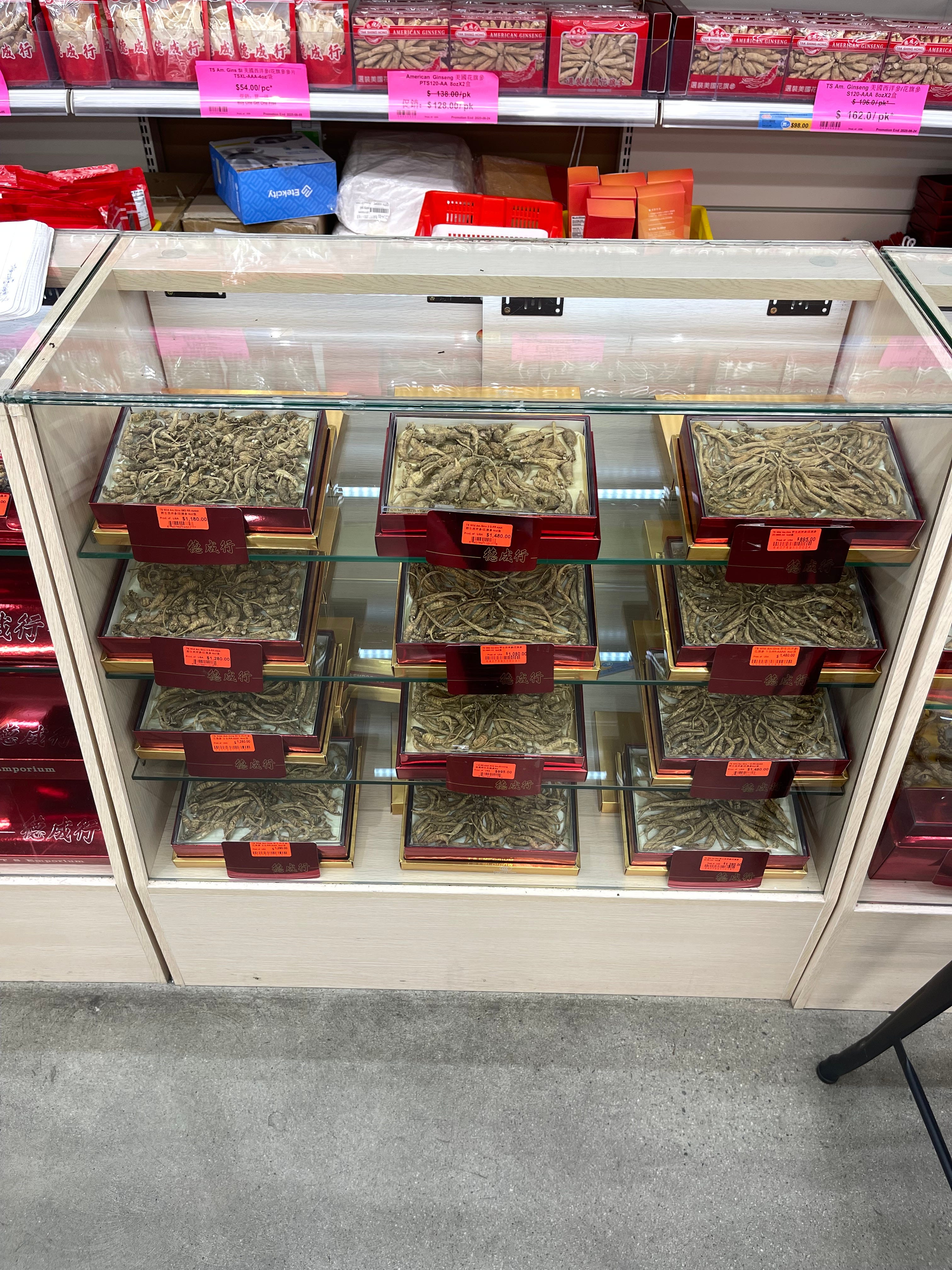
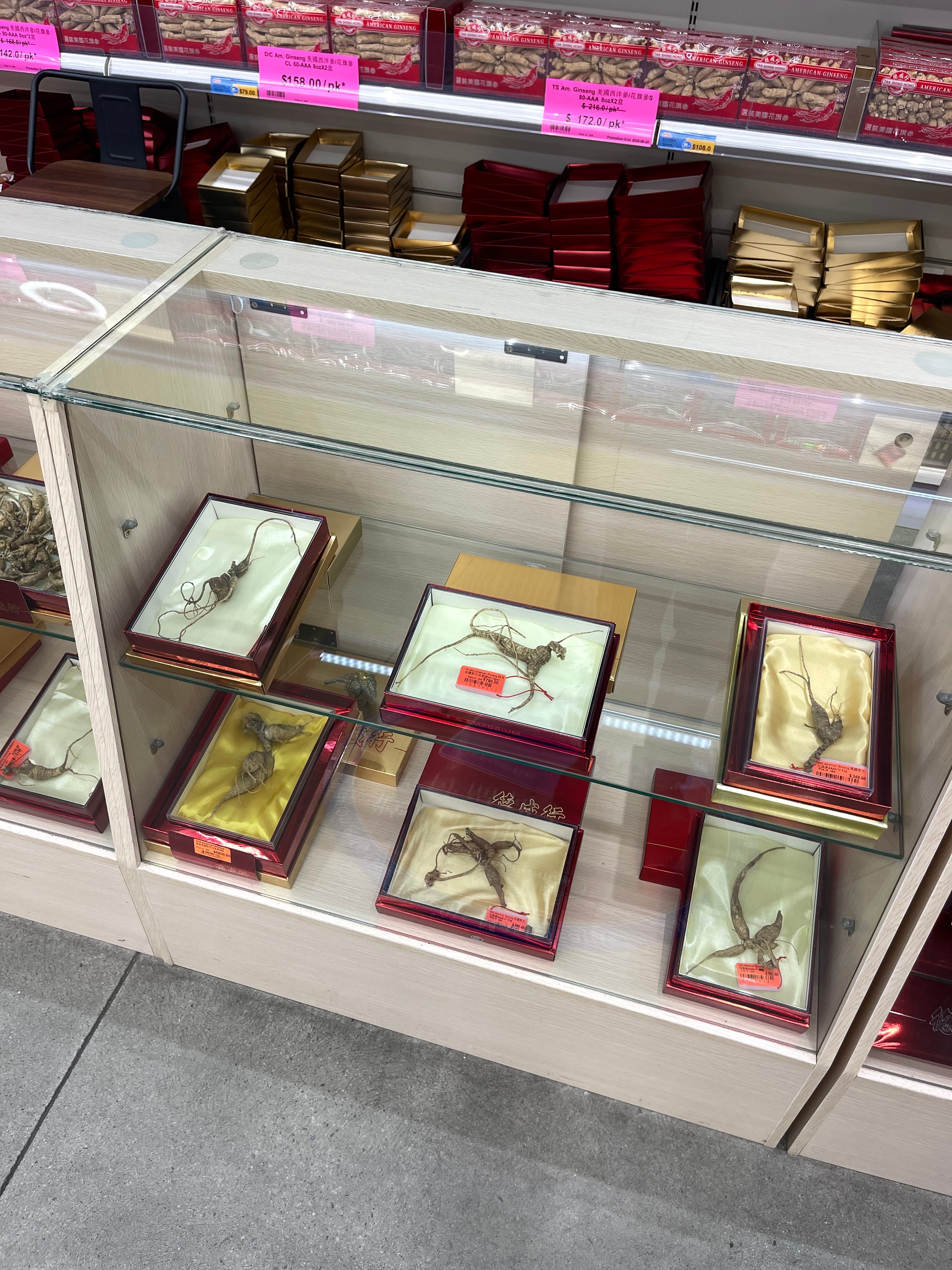
Greg took me to TS Emporium with little background, just an enthusiastic you’ve-got-to-check-this-out grin. He came across it while filming a video in which he followed a power line from Pasadena to Paramount. Upon entering the Rosemead Blvd location my mouth dropped in awe. A sprawling counter, like that of a luxury department store, filled with ginseng. Like tiny dancers performing something more contemporary than ballet, each root more expressive than the last; gnarled and winding, human but alien too. Limbs outstretched, framed by a creamy satin slip and the metallic red frame of an elegant box. I spy an ensemble dancing in tandem to my left with the price tag of $3,980, and a solo to my right; one piece of ginseng, dramatically unfurled for $780.
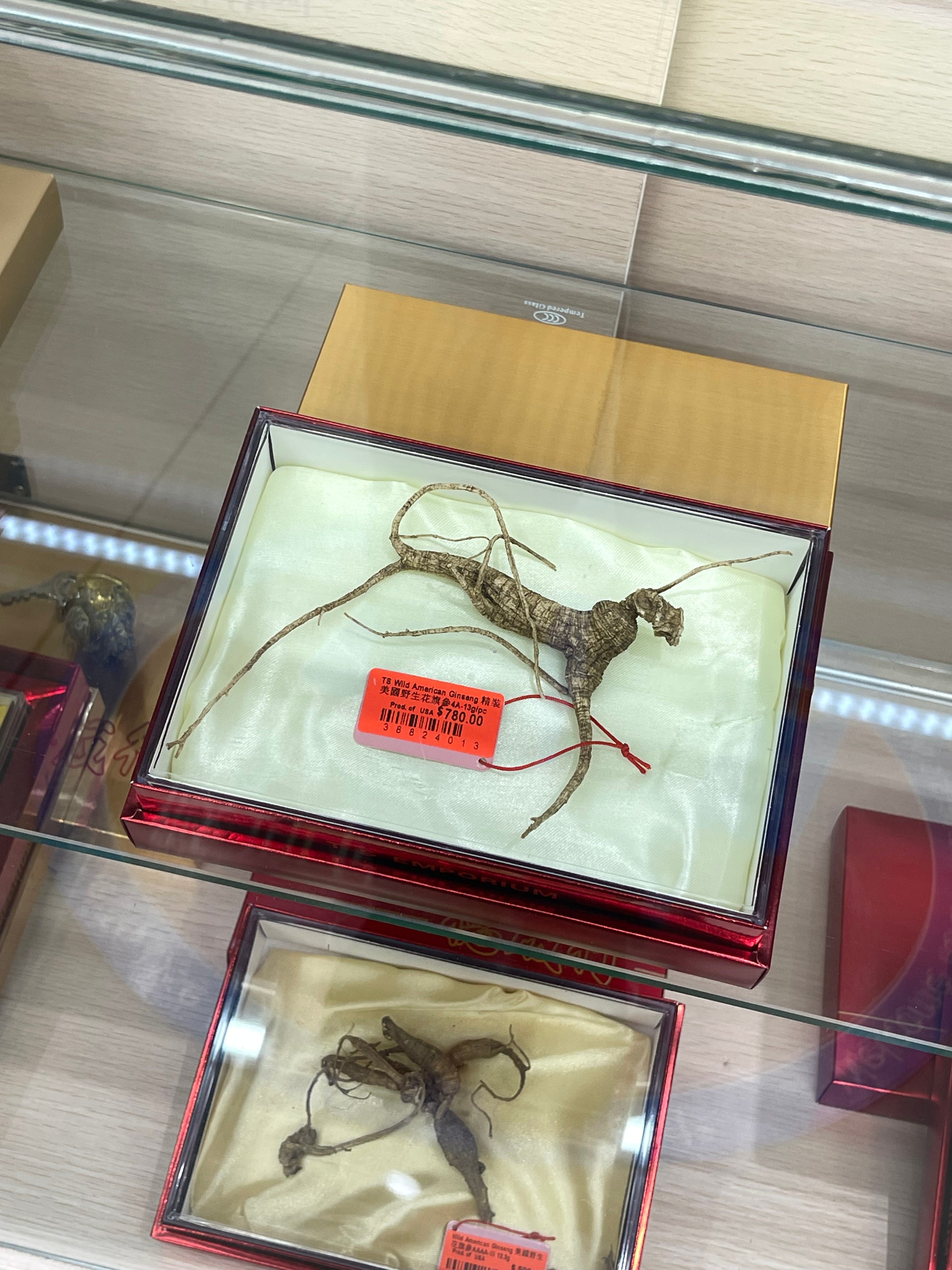
TS Emporium has five locations in the greater Los Angeles area, and while it is by no means the only purveyor of traditional Chinese herbs in the SGV, I understand it to be the largest in the region. Ginseng is TS’ speciality; long heralded for its support with digestion & immunity, and for its anti-inflammatory properties, the root is used by traditional Chinese medicine (TCM) practitioners for all of the above, but not as a fix-all. In fact, to include fix-all and TCM in the same sentence feels utterly oxymoronic. A core philosophy of TCM being the practice of achieving balance and harmony in the body & mind through a system of nuanced, dynamic frameworks. A framework that may ring a bell: Yin And Yang. Another: The Five Elements.
I return to TS Emporium a month later, joined by acupuncturist and TCM practitioner Corinna Loo.
“I like coming here because it’s a good way to interact with Chinese herbal medicine in a way that feels a little more accessible…It’s also clean, well organized, and has a good selection.” Loo, who practices out of her clinic Tiny Medicine in Pasadena, tells me she came to TS a few weeks prior to pick up a soup packet for a client.
Loo was diagnosed with T-Cell Lymphoma in 2012. At the time she was working as a designer and TCM became not only a way to manage the symptoms of her illness, but also a catalyst in her career journey.
“Acupuncture and herbal medicine helped me a lot during that time, especially with the fatigue I felt in between treatments. But more than that it felt like a way to connect with my culture. I’m a second generation Chinese American and my maternal grandmother used to own herbal shops in China before she came here.” Loo notes.
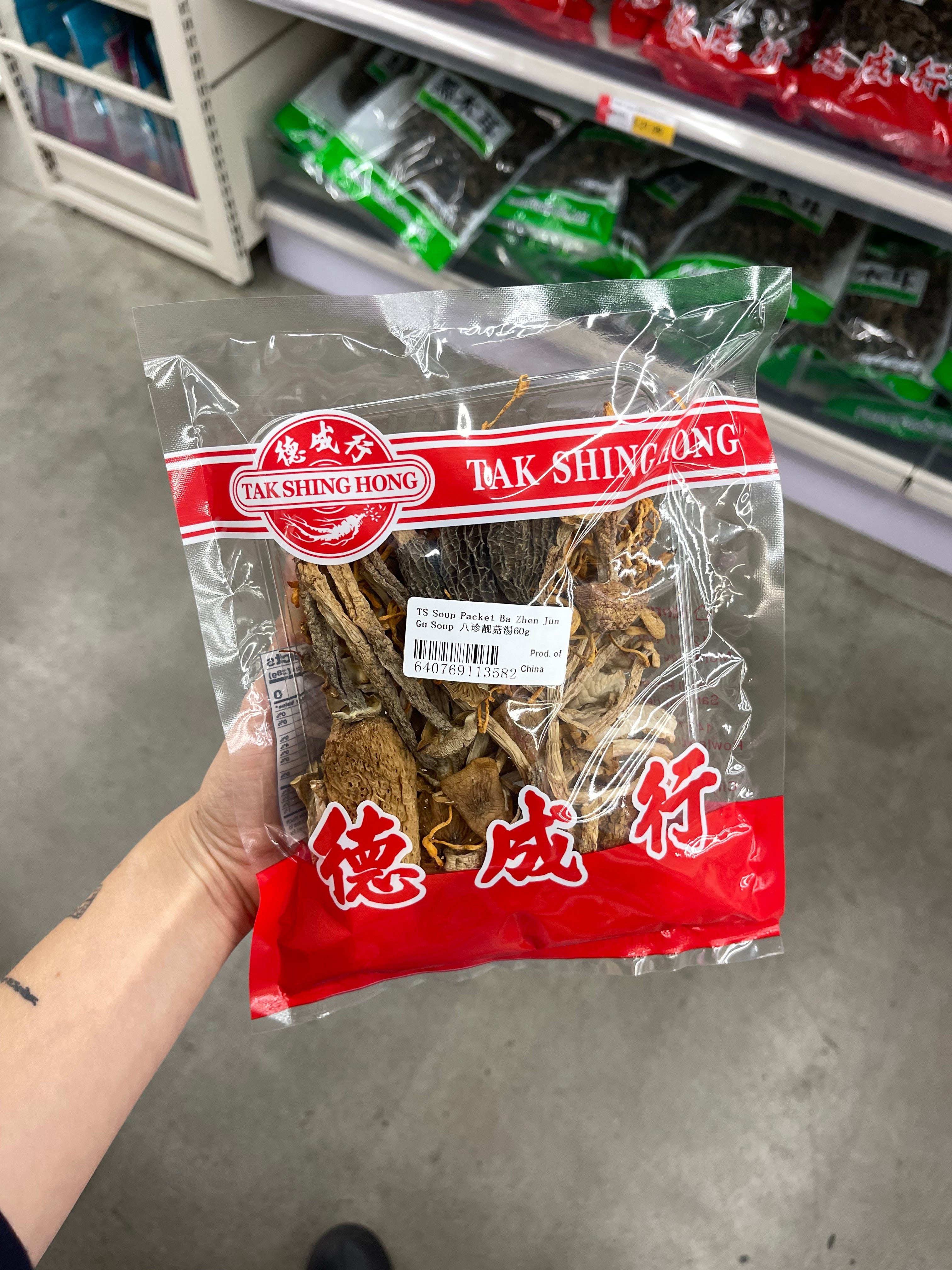
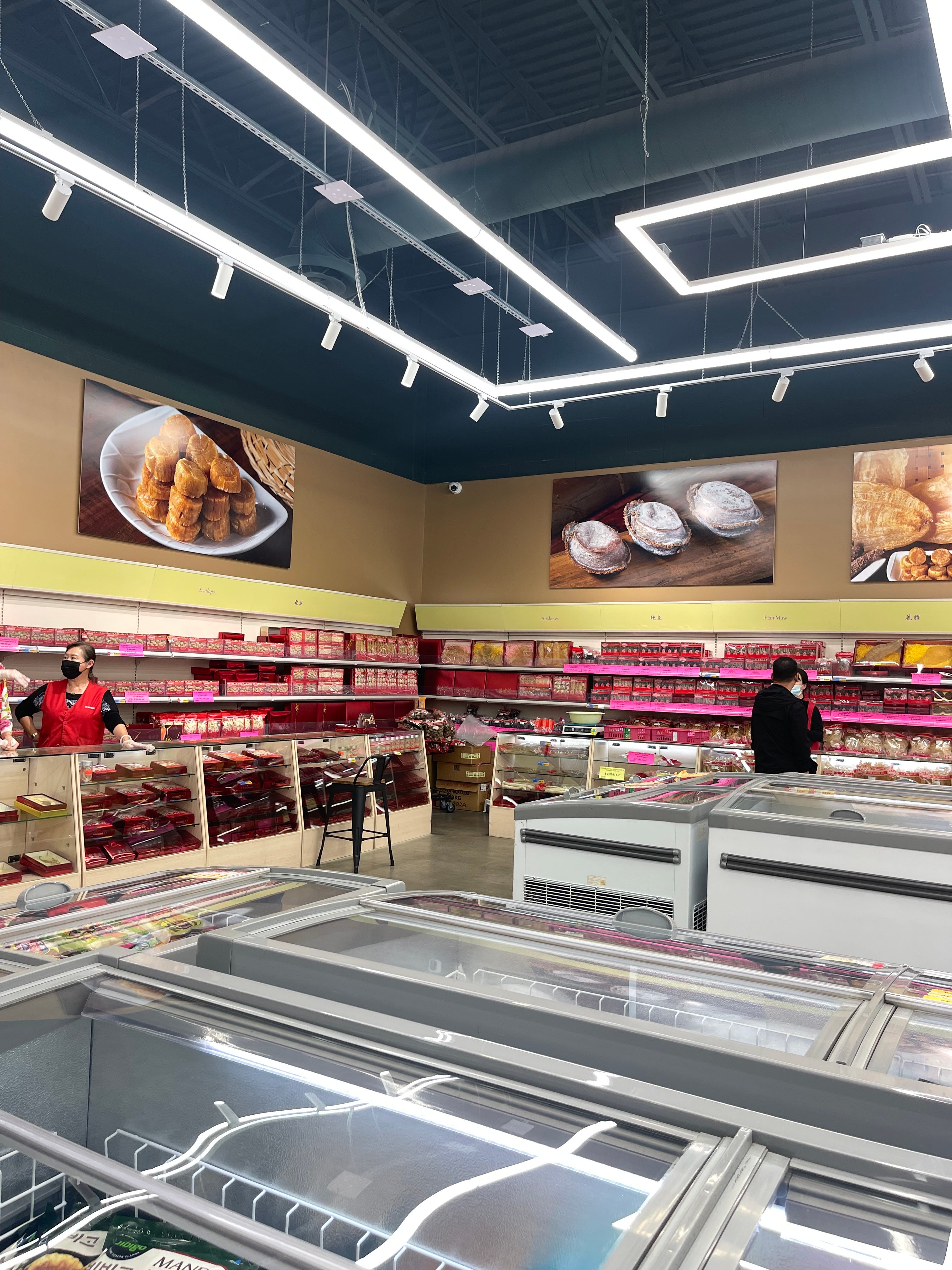
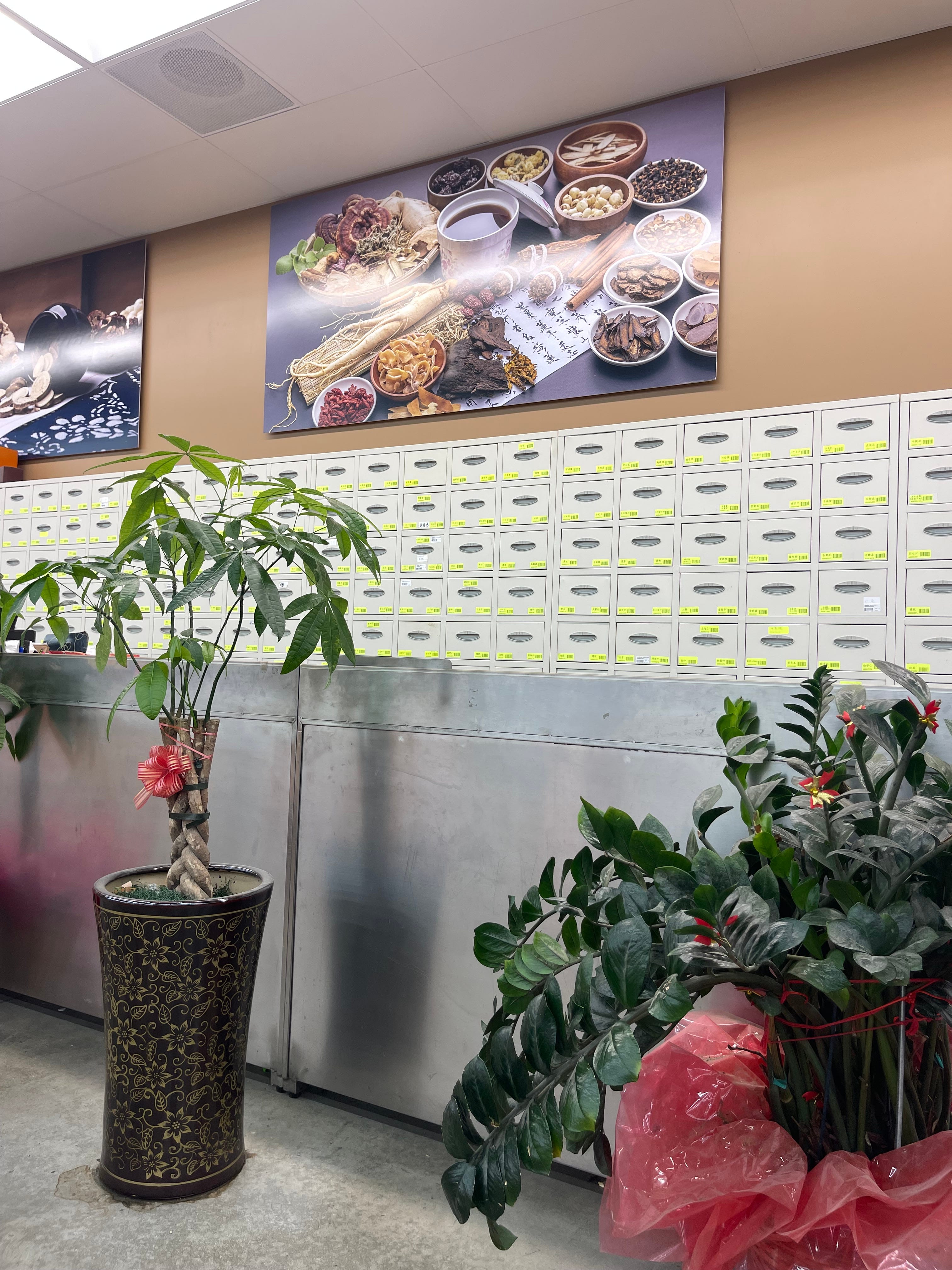
We make our way to the same pristine counter, but this time we skip past the ginseng to admire neat piles of dried sea cucumbers, birds’ nests, fish maws and cordyceps, all with a range of health benefits and a premium price tag. As we move deeper into the store, affordable versions of the premium ingredients present themselves, along with bountiful rows of herb blends, soup packets, fungi, and teas.
Loo delicately selects a soup packet from the shelf and notes the inclusion of Du Zhong or Eucommia bark, she begins to pull the bark apart and in between the segments I can just make out a series of thin rubber fibers.
“This bark comes from a rubber plant. We use this a lot for any spinal issues, it’s reflective of the spine, if you think about how the vertebrae are held together.”
The next aisle hosts bags of brilliant red goji berries, Loo tells me that the color can help one deduce that the fruit nourishes the blood, and their eye-like shape is a clue-in to their ocular benefits.
“You’ll see a lot of students during finals week drinking tea with goji berries in it, they’ve got tired eyes and weak Qi.”
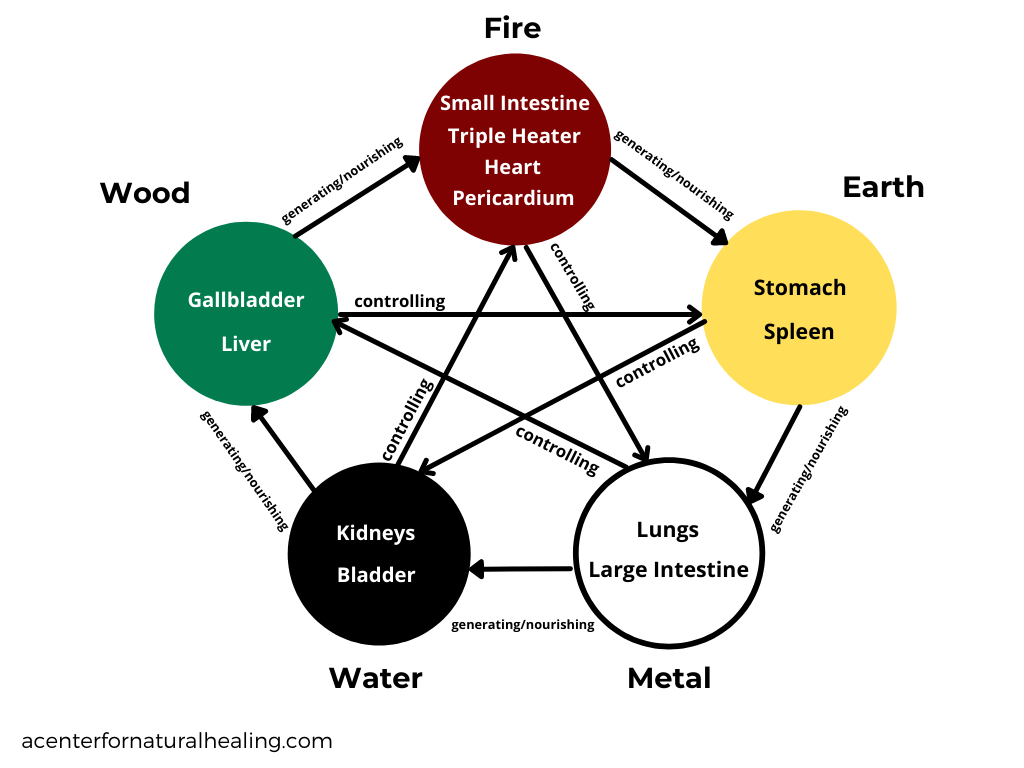
She explains this concept to me as the Doctrine of Signatures, the idea that an ingredient’s physical characteristics mirror its benefits. I’m struck by its innate, tender spirituality.
“The thing that holds me to this medicine the most is how interconnected we are with our natural world. All of Chinese medicine is related to how we co-exist with our environment.” We adjust the way that we eat, sleep, and exercise based off of the seasonal movement…Theres something very comforting in feeling that the whole of the natural world is part of how you move, you don’t have to hold it all yourself.” Loo comments.
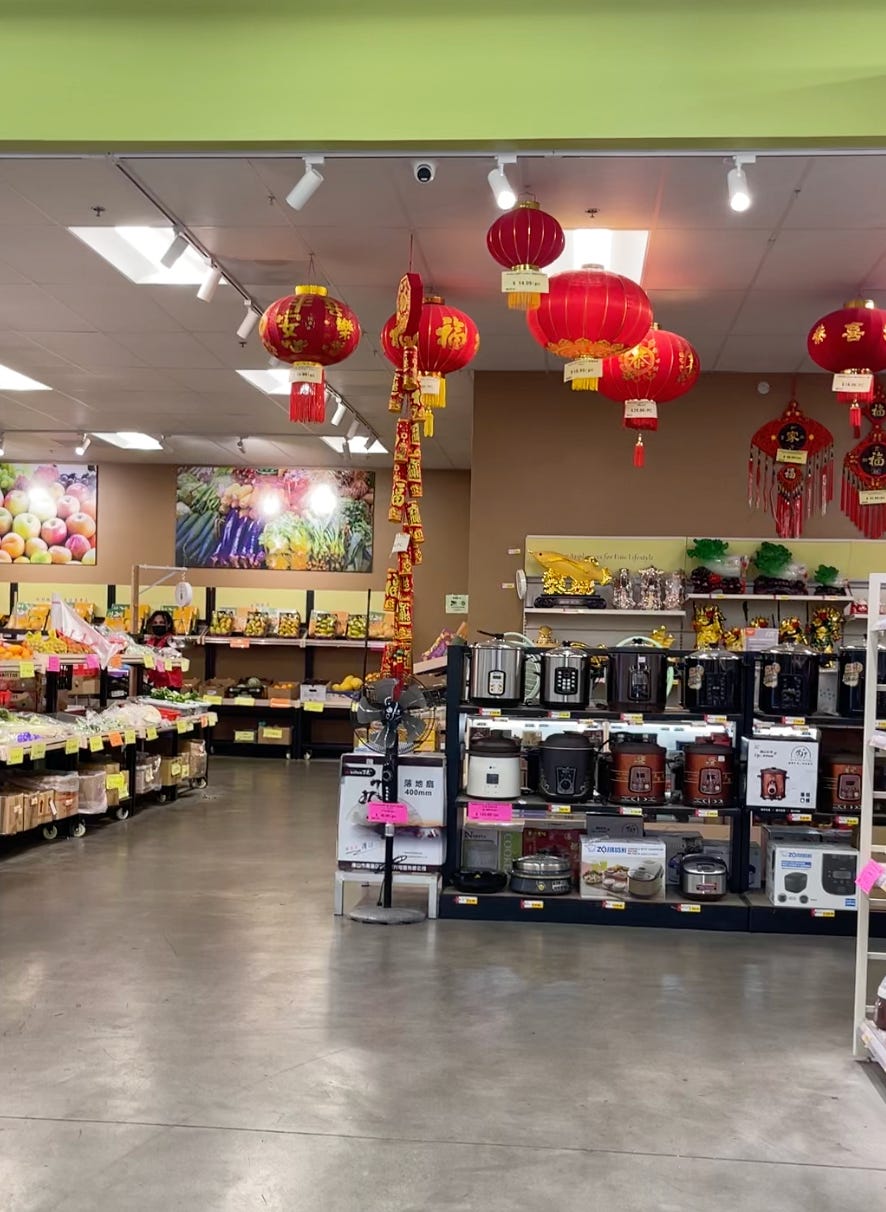
In a balanced fashion, TS Emporium has other groceries too. An aisle over from the soup packets sit single serving cups of mango pudding, peanut cookies, rice noodles, jars of pickled vegetables and chili crisps. The produce section is lush with stemmy greens, tubs of lotus root, and thin skinned melons. Rice cookers, teapots, and pink fuzzy slippers live at the back of the store. I invest in a pair.
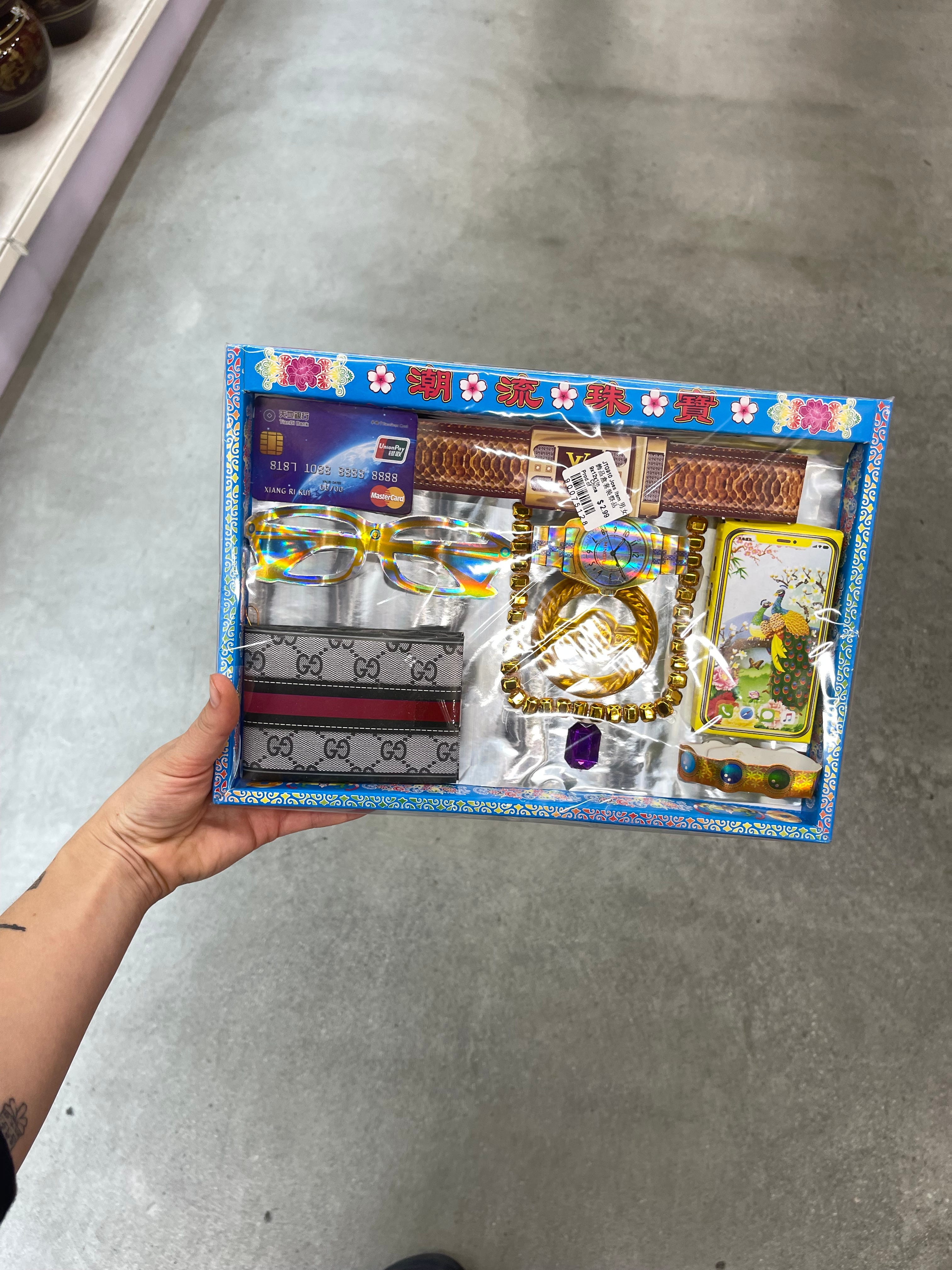
Near the slippers, half an aisle of Joss paper, items made to be burnt in ritual sacrifice to your ancestors so they may receive the item in the afterlife. Paper snakeskin loafers, Gucci wallets, iPhones, tweed suits, credit cards, and straight up cash designed in painstaking detail. I silently wonder if Joss paper vapes exist, and if so in what flavor.
On my way out, I stop by the snack aisle eager to take home a treat. I reach for a tub of lychee flavored “Squeez’n’ Bites”; sweetened jellies individually packaged in…I look closer…small plastic spoons. I turn quickly in the opposite direction as if to rid myself of the thought.
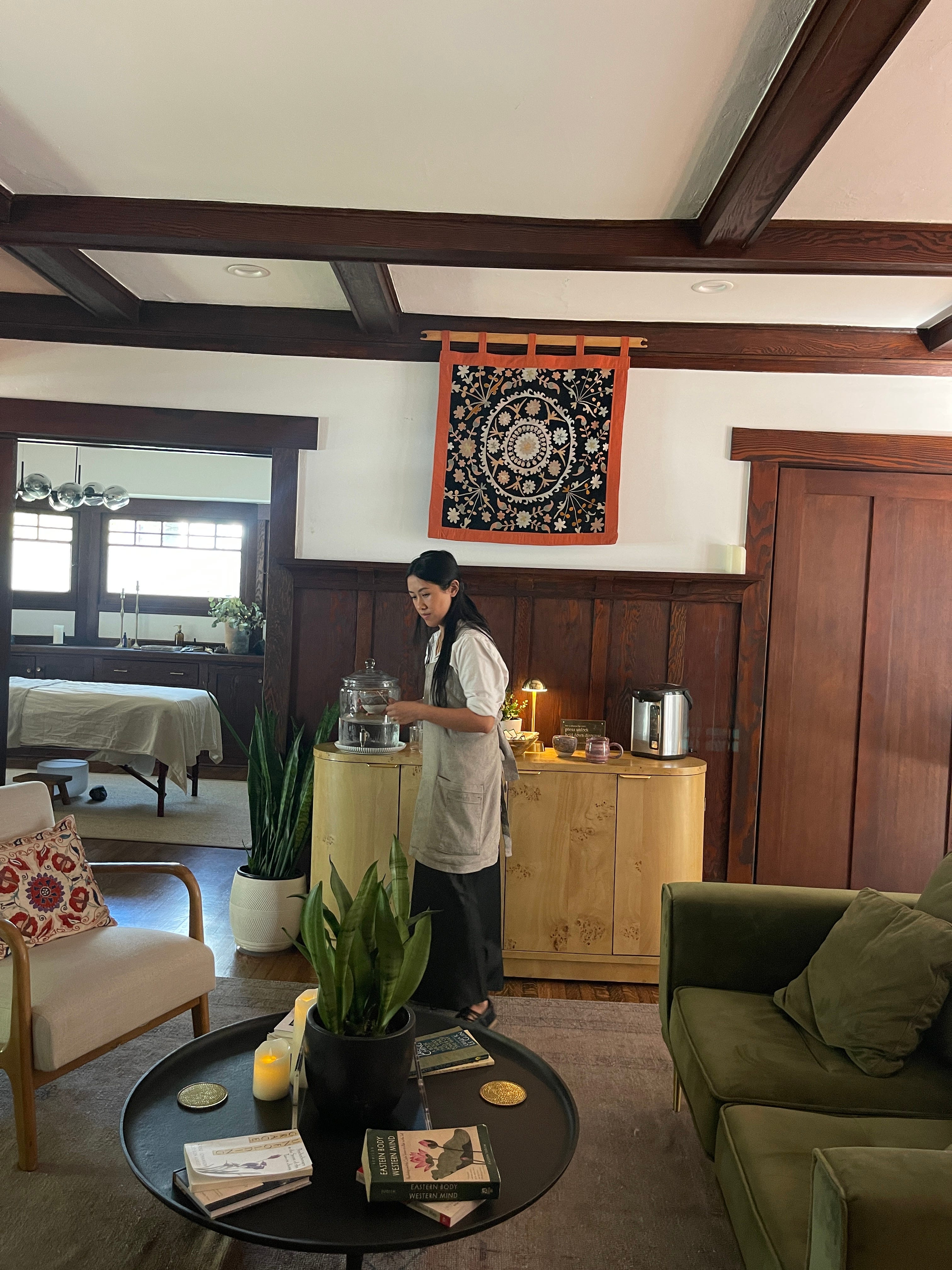
Later, I visit Loo’s clinic, in a storied Pasadena craftsman. She brews me a cup of tea and we sit down to chat. She asks me a series of questions about my immune system and sleep habits, if I feel connected to the climate in LA since I’m from the East coast, and if I have any grounding practices. Her words are precise and rhythmic, filled to the brim with intention. I tell her about my spoon anxiety, my desire to fix something that I don’t know the scope of, and the barrage of ways I’m being told to do that. She nods.
“I saw that study, it’s terrifying!” she says “I also saw this meme recently that says the microplastics in me honor and acknowledge the microplastics in you.” She makes reference to Bryan Johnson, whose life mission is to avoid death at all costs. “Wellness culture as it arrives to me seems to be very oriented around optimization for productivity.”
We start the treatment, which combines acupuncture, sound therapy, cupping, and meditation. During it, I feel completely separated from my body and at times almost able to look down at it as if I’m hovering near the ceiling. When it’s over, I feel how I imagine a plane would upon landing and can’t shake the feeling of gratitude for even having a body to come back to in the first place.
“I think the big distinction is that Chinese medicine has a completely different paradigm. Within western medicine, it’s really zoomed in on treating different systems and doing it really well and really quickly. Traditional Chinese medicine tends to widen the lens and look at patterns over time and a relationship between a person, their environment, their food, etc.” Loo says after our session.
“Why a spoon?” says Ashley at coffee the following week, she Googles objects with the same surface area and reads them aloud: a credit card, a chess piece, a post-it note, and a medium sized egg.
“Kind of a random choice, no?” she wonders
My guess: Everyone knows what a spoon looks like. Its size and shape is as easily conjured in our minds as it is actually there, apparently. It is a perceivable threat. There has also always been something covertly sinister to me about scooping. Ashley’s guess: it’s a gentle metaphor, soft and familiar. A way to let us down easy, to tell us that we’re going to a farm soon but it’s really nice out there and there’s a lot of room to run around out back. We cannot decide if it’s meant to spark fear or comfort. We resign to not knowing.
Over this stretch of time, from the couch to TS Emporium, to Tiny Medicine, to the coffee shop, death by spoon transforms into life with spoon. Instead of flotsam floating around in my cerebrospinal fluid, I now think of The Spoon with a sense of ownership. I think of it as payment for living in a decade where I can get in my car on a Tuesday and drive 20 minutes to the San Gabriel Valley to watch a piece of ginseng from China grand jeté into a gift box. Payment for planes and washing machines and air conditioning and the app on my phone that tells me if the plant I’m touching will kill me or not. The Spoon is not any less alarming to me, rather, it is me. I think of it as being whittled down by each new thought, each new piece of information making it wider and deeper and smoother. I think of it as an heirloom my children will inherit, only if they’re really nice to their mom though.
Each one of our special lives is dictated, whether we like it or not, by a set of nuanced and dynamic frameworks of our choosing. And thats the thing, we HAVE to choose. We make choices every day about our body and spirit, consciously or otherwise. To live is to choose. When it comes to The Spoon, I choose to resign to a great unknowing. It’s good for me.